Posted on

Integrating Automatic Doors Into Smart Buildings

Top Trends in the Automatic Door Industry

Modern buildings are no longer just structures made of concrete and glass. Today, buildings are becoming smarter, more connected, and more efficient. From lighting and temperature control to security and energy management, technology now plays a major role in how buildings operate. One important part of this transformation is the integration of automatic doors into smart building systems.

Automatic doors are no longer limited to basic open-and-close functions. When connected to smart technology, they can improve safety, accessibility, energy efficiency, and overall building performance. In this blog, we will explore how automatic doors fit into smart buildings and why this integration is becoming essential for modern facilities.

What Is a Smart Building?

A smart building uses connected systems to manage daily operations automatically. These systems include lighting, heating, air conditioning, security, elevators, and access control. All components communicate through a central platform or building management system.

The goal of a smart building is to increase comfort, reduce energy waste, and improve safety. Data collected from sensors helps building managers make better decisions. When automatic doors are connected to these systems, they become an active part of the building’s intelligence rather than a standalone feature.

Role of Automatic Doors in Smart Environments

Automatic doors act as the first point of interaction between people and a building. When integrated into smart systems, they can respond intelligently to real-time conditions. For example, doors can open faster during peak hours and operate more slowly during quieter times.

They can also coordinate with security systems to control who enters certain areas. In emergencies, smart doors can automatically unlock or stay open based on safety protocols. This level of control improves both convenience and protection.

Integration with Access Control Systems

One of the most common integrations is between automatic doors and access control systems. These systems include key cards, PIN codes, biometric scanners, and mobile access apps. When combined, doors open only for authorized users.

This integration is especially useful in offices, hospitals, and restricted facilities. It allows building managers to track entry data and improve security. Access permissions can be updated remotely, reducing the need for physical keys and manual control.

Connection with Building Management Systems (BMS)

Building management systems act as the brain of a smart building. Automatic doors connected to BMS can share performance data such as usage frequency, opening times, and error alerts.

This connection allows facility managers to monitor doors remotely and identify issues early. If a door shows unusual activity, the system can send alerts before a breakdown occurs. This improves maintenance planning and reduces unexpected downtime

Energy Efficiency Through Smart Door Operation

Smart buildings aim to reduce energy consumption, and automatic doors play a big role in this effort. Doors can be programmed to open only when necessary and close quickly after use.

When linked to climate control systems, doors help maintain indoor temperature. This prevents unnecessary loss of heated or cooled air. Over time, this reduces energy bills and supports sustainability goals, especially in large commercial buildings.

Improved Safety and Emergency Response

Safety is a key advantage of smart door integration. Automatic doors can respond instantly during emergencies such as fires or power failures. They can unlock, remain open, or switch to emergency mode depending on the situation.

When connected to alarm systems, doors help guide people safely out of the building. Backup power systems ensure doors remain functional even during outages. This level of coordination improves emergency response and reduces panic during critical moments.

Real-Time Monitoring and Predictive Maintenance

Smart automatic doors collect valuable data through sensors and control systems. This data shows how often doors are used, how long they stay open, and how components perform over time.

Using this information, building managers can schedule maintenance before failures occur. Predictive maintenance reduces repair costs and extends equipment lifespan. It also improves safety by preventing sudden malfunctions in high-traffic areas.

Enhancing User Experience and Accessibility

Automatic doors in smart buildings are designed to enhance user comfort. They can adjust opening speed based on user needs, making access easier for elderly people, wheelchair users, and parents with strollers.

Smart systems can also reduce waiting time during busy periods. By improving flow and accessibility, automatic doors create a smoother experience for everyone entering or leaving the building.

Remote Control and Centralized Management

One major benefit of smart integration is remote management. Facility teams can control and monitor automatic doors from a single dashboard, even across multiple locations.

This centralized control saves time and reduces manual inspections. Settings can be changed instantly without visiting the site. For large organizations, this provides better operational efficiency and consistency across buildings.

Future Trends in Smart Door Integration

The future of automatic doors in smart buildings is moving toward artificial intelligence and advanced analytics. Doors may soon predict user intent, reducing false openings and improving efficiency.

Integration with facial recognition, occupancy tracking, and smart city infrastructure is also growing. These innovations will make buildings more responsive and secure. As technology evolves, automatic doors will continue to play a critical role in intelligent environments.

Conclusion

Integrating automatic doors into smart buildings is no longer a luxury—it is becoming a standard requirement. Smart integration improves security, energy efficiency, safety, and user experience. Automatic doors now function as intelligent systems that communicate with the building rather than operating independently.

As smart buildings continue to grow worldwide, the demand for connected automatic doors will only increase. For building owners and facility managers, investing in smart door integration means better control, lower costs, and a safer, more efficient environment for everyone.

Posted on

Top Trends in the Automatic Door Industry

Top Trends in the Automatic Door Industry

Automatic doors have become a normal part of modern life. We see them every day in shopping centres, hospitals, offices, hotels, and airports. Over the years, these doors have improved not only in how they look but also in how they work. Today, they are smarter, safer, and more energy efficient than ever before.

The automatic door industry is changing fast due to new technology, higher safety standards, and the growing demand for touch-free solutions. Building owners and facility managers now expect more than just basic opening and closing. In this blog, we will explore the top trends shaping the automatic door industry and what they mean for businesses and users.

Rise of Touchless and Contact-Free Technology

Touchless technology has become one of the biggest trends in the automatic door industry. People prefer doors that open without pushing buttons or touching handles. Motion sensors, radar sensors, and wave-to-open systems reduce physical contact and improve hygiene.

This trend is especially important in hospitals, clinics, and food-related businesses. Touchless doors help reduce the spread of germs while offering a smooth and comfortable entry experience. As health awareness grows, demand for contact-free doors continues to increase across all types of buildings.

Smart Sensors and Advanced Detection Systems

Modern automatic doors now use advanced sensor technology. These sensors can detect movement more accurately and respond faster than older systems. They can tell the difference between a person walking toward the door and someone simply passing by.

Better detection improves safety and reduces unnecessary door openings. This also helps save energy by keeping indoor air from escaping too often. Smart sensors adapt to different environments, such as busy entrances or quiet office spaces, making doors more reliable and efficient.

Energy-Efficient Automatic Door Solutions

Energy efficiency is a major focus in today’s construction and building management. Automatic doors are now designed to reduce heat loss and improve insulation. Faster opening and closing times help maintain indoor temperature.

Some doors are equipped with smart controls that adjust operation based on foot traffic. In colder or hotter climates, this can significantly reduce energy bills. As sustainability becomes more important, energy-saving automatic doors are becoming a preferred choice for modern buildings.

Integration with Smart Building Systems

Another important trend is the integration of automatic doors with smart building systems. Automatic doors can now connect to building management systems (BMS) and Internet of Things (IoT) platforms.

This allows facility managers to monitor door performance, usage data, and fault alerts in real time. Remote access makes maintenance planning easier and reduces downtime. Smart integration also improves security by linking doors with access control and surveillance systems.

Improved Safety Features and Compliance Standards

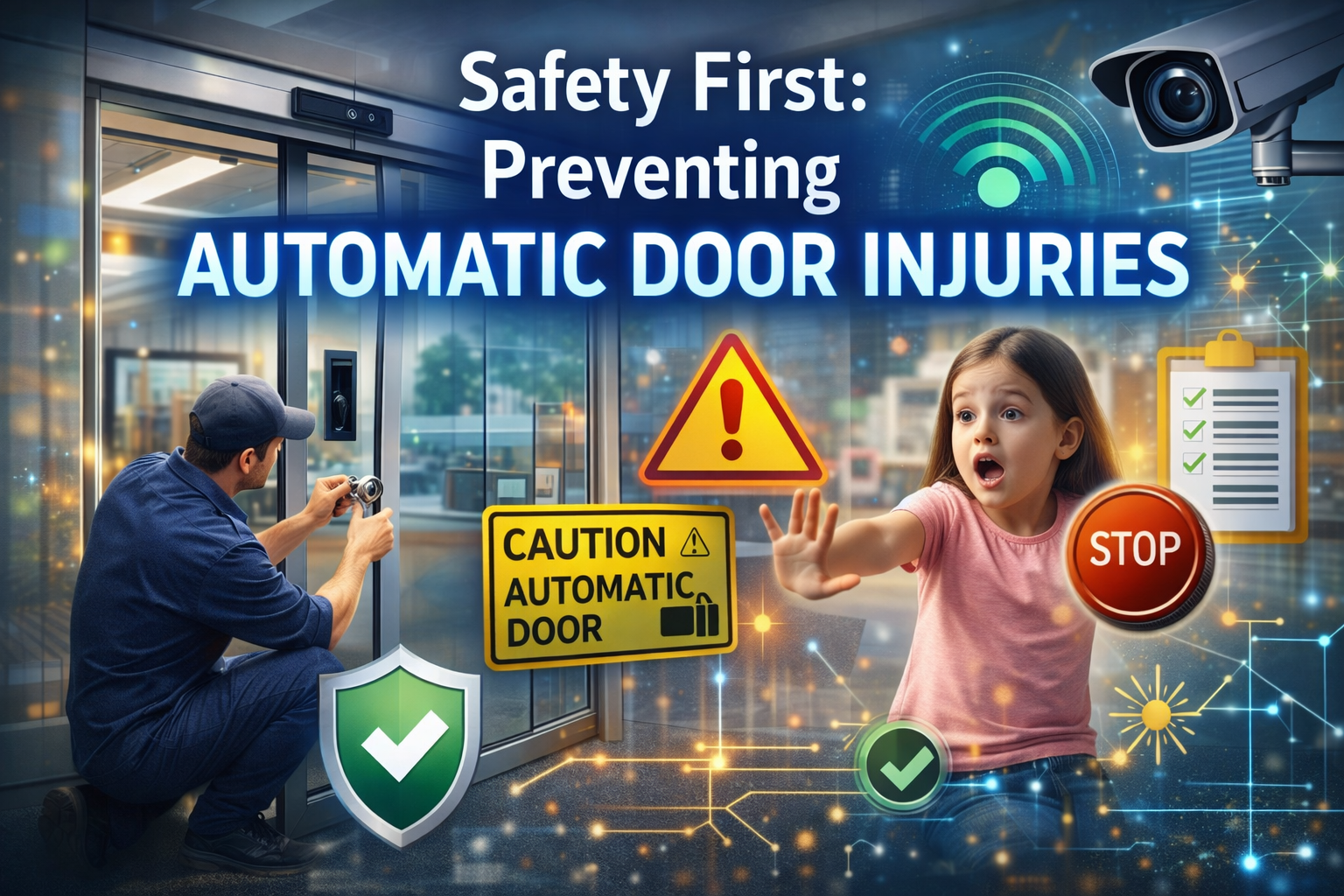
Safety has always been a priority, but today’s automatic doors offer even more protection. New designs include better obstacle detection, emergency stop functions, and backup power systems.

Manufacturers are focusing on meeting strict safety standards and accessibility guidelines. These features protect children, elderly users, and people with disabilities. Enhanced safety not only prevents accidents but also helps businesses meet legal and insurance requirements.

Modern Designs and Custom Aesthetics

Automatic doors are no longer just functional; they are also part of a building’s design. Architects now choose doors that match the overall look and feel of the space. Glass finishes, slim frames, and custom colours are becoming popular.

Automatic doors can enhance brand image, especially in hotels, offices, and retail stores. Clean lines and modern designs create a welcoming first impression. This trend shows that style and performance can work together.

Growth of Revolving and High-Traffic Door Systems

Revolving doors and heavy-duty automatic systems are gaining popularity in high-traffic areas. These doors control airflow while allowing a constant flow of people. They are commonly used in airports, malls, and large office buildings.

High-traffic systems are built for durability and long-term use. They reduce energy loss and improve crowd control. As cities grow and buildings become busier, demand for these advanced door systems continues to rise.

Predictive Maintenance and Data-Driven Servicing

Technology now allows automatic doors to predict problems before they happen. Sensors and software can track door usage, motor performance, and component wear. This data helps identify when maintenance is needed.

Predictive maintenance reduces unexpected breakdowns and extends door lifespan. Businesses can schedule servicing at the right time instead of waiting for failures. This trend saves money and improves safety for users.

Focus on Accessibility and Inclusive Design

Accessibility is a key trend shaping the automatic door industry. Doors are designed to meet the needs of people with limited mobility, wheelchairs, and parents with strollers. Smooth movement, wide openings, and slow-speed options improve usability.

Inclusive design ensures that everyone can enter and exit buildings comfortably. Automatic doors play a vital role in creating barrier-free spaces. This trend is driven by regulations, social responsibility, and better design awareness.

Use of Sustainable Materials and Eco-Friendly Manufacturing

Manufacturers are increasingly using eco-friendly materials and sustainable production methods. Recyclable metals, energy-efficient motors, and low-power systems are becoming standard.

This trend supports green building certifications and environmental goals. Businesses are choosing suppliers that focus on sustainability. Eco-friendly automatic doors help reduce environmental impact while maintaining high performance.

Conclusion

The automatic door industry is evolving rapidly with new technology, smarter designs, and higher expectations. Touchless operation, advanced sensors, energy efficiency, and smart building integration are transforming how automatic doors function. Safety, accessibility, and sustainability are now just as important as convenience.

As these trends continue to grow, automatic doors will become even more reliable, efficient, and user-friendly. For businesses and building owners, staying updated with these trends means better performance, improved safety, and a stronger first impression. Automatic doors are no longer just an entrance—they are a smart investment in the future of modern buildings.